
Benefits of Heated Yoga for Flexibility

Table of Contents
Why Heat Changes Everything: The Science of Warm Muscles
Temporary Range of Motion vs. Lasting Flexibility
Heated Yoga vs Regular Yoga: What the Research Says About Flexibility
Comparing Heated Yoga to Other Mobility Training
How Long Does It Take to Improve Flexibility with Yoga?
A Progressive Flexibility Plan for Beginners
How Often to Do Hot Yoga for Flexibility Gains
Beyond Flexibility: Strength, Heart Health, and Calorie Burn
Bone Density and Blood Glucose Effects
Hot Yoga Safety Tips: Overstretching, Injury Risk, and Pain Signals
How to Tell a Productive Stretch from a Risky One
Heat-Specific Safety Basics
Recovery Signals to Respect
What the Evidence Can and Cannot Tell You About Heated Yoga
How to Measure Your Own Progress
Frequently Asked Questions
Last Updated: October 7, 2026
Why Heat Changes Everything: The Science of Warm Muscles
The benefits of heated yoga for flexibility start with a simple physical fact: warm tissue stretches more readily than cold tissue.

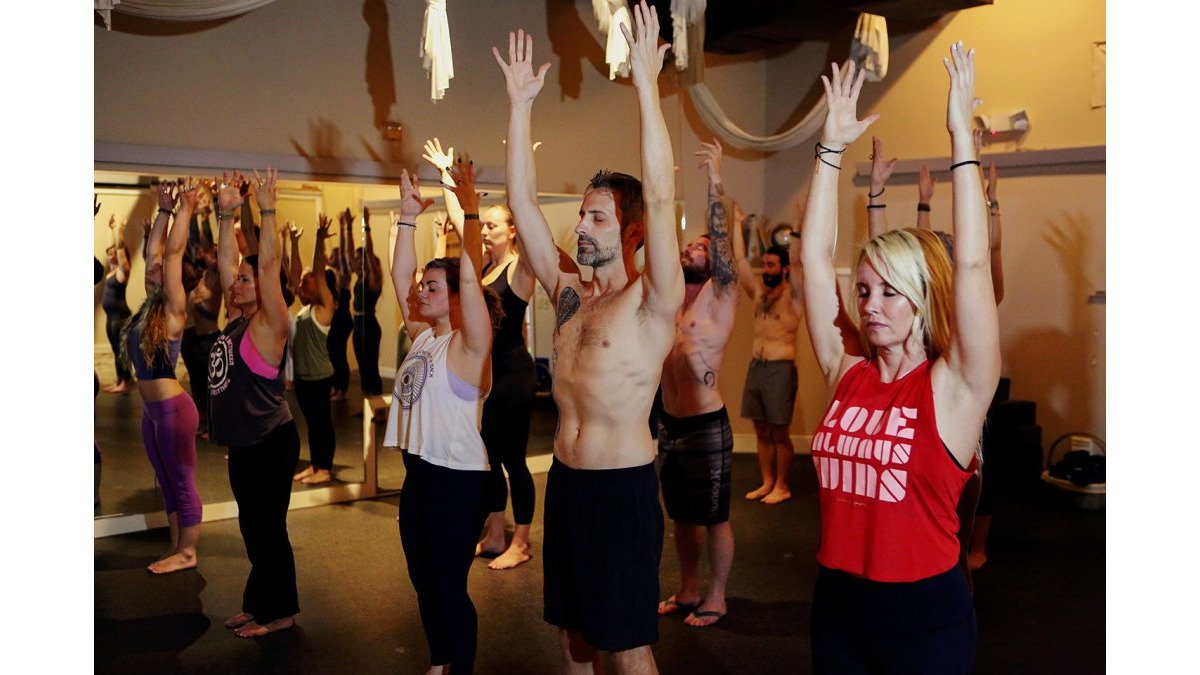
Heated yoga is a style of yoga practiced in a room warmed well above standard room temperature, typically paired with controlled humidity, to promote sweating, circulation, and a sensation of deeper stretch.
That sensation is real, but it is also partly temporary. Muscle temperature rises during heat exposure, blood flow increases, and your nervous system tolerates a longer stretch before signaling resistance.
Temporary Range of Motion vs. Lasting Flexibility
Range of motion gained from heat alone fades as your body cools. Lasting flexibility comes from repeated, progressive stretching over weeks and months, not from a single warm session. This distinction matters because it changes how you train. If you chase the deep stretch you felt in a hot room and try to reproduce it cold, you risk forcing tissue past its safe limit. If you treat heat as a tool that helps you practice consistently, you build the adaptation that actually sticks.
Heated Yoga vs Regular Yoga: What the Research Says About Flexibility
Flexibility outcomes from heated and unheated yoga are closer than most class descriptions suggest. Both styles improve range of motion when practiced regularly, because the driver is the stretching itself, not the temperature.
A common mistake is assuming a hot room replaces consistency. It doesn't. The people who see real change are the ones who show up several times a week, warm room or not.
Comparing Heated Yoga to Other Mobility Training
Hot yoga is one option among several for improving mobility. Static stretching, dynamic warm-ups, Pilates, and resistance training through a full range of motion all develop flexibility, and some do it with more control over load and progression. Where heated yoga stands out is the combination of stretching, strength work, balance, and breathing in a single session. If your goal is pure flexibility, a focused mobility routine may get you there faster. If you want flexibility alongside cardiovascular fitness and stress reduction, a heated class covers more ground at once.
How Long Does It Take to Improve Flexibility with Yoga?
Most people notice small changes in range of motion within a few weeks of consistent practice, with more meaningful gains after two to three months. Progress depends on how often you practice, how you stretch, and your starting point.
Key Takeaway The flexibility you keep is built outside the heat. Use warm classes to practice safely and often, then confirm your progress in a cooler setting.
A Progressive Flexibility Plan for Beginners
Start where you are and add load slowly. A simple four-week progression:
Week 1: Two heated classes, focus on breathing and basic poses. No forcing.
Week 2: Two to three classes. Hold standing poses a few breaths longer.
Week 3: Add one unheated session to test range of motion cold.
Week 4: Three heated classes plus one mobility session at home.
Track one or two benchmark poses. If a forward fold or shoulder stretch improves over four weeks, the plan is working.
How Often to Do Hot Yoga for Flexibility Gains
Three to four sessions per week is a reasonable target for most people pursuing flexibility, with at least one rest day between intense classes. Beginners should start with two and add sessions as their tolerance for heat and effort grows.
More is not automatically better. Heat exposure is a stress on the body, and recovery matters as much as the class itself. If you feel drained, dizzy, or unusually stiff the day after a session, your frequency is ahead of your recovery.
Beyond Flexibility: Strength, Heart Health, and Calorie Burn
Flexibility is only part of what a heated class delivers. Holding poses builds strength, particularly in the legs, core, and shoulders. The sustained effort raises heart rate and improves circulation, which supports cardiovascular fitness over time. Calorie expenditure runs higher than in a comparable unheated class, largely because of the added heat and sweat, though it varies widely by body size, intensity, and duration.
Bone Density and Blood Glucose Effects
Weight-bearing poses place load on bones, which is one reason regular yoga is often recommended as part of a bone-health routine. Some research suggests yoga may support blood glucose regulation, but the evidence is not strong enough to present it as a treatment. If you manage a condition like diabetes, treat class as a complement to your care plan, not a replacement, and talk with your clinician first.
Hot Yoga Safety Tips: Overstretching, Injury Risk, and Pain Signals
The biggest risk in a heated room is not the heat itself. It is overstretching, and the reason is mechanical. Stretch tolerance is partly governed by the nervous system, which signals resistance when a muscle approaches its safe end range.
That mismatch is why injuries in hot classes often do not announce themselves. A hamstring or low-back strain frequently shows up the next morning, not during the pose. If you leave class feeling like you achieved a personal record in a deep fold, treat that as a yellow flag rather than a win.
How to Tell a Productive Stretch from a Risky One
Use a simple intensity scale. Aim for a 4 to 6 out of 10: noticeable tension, steady breathing, no urge to flinch. Back off at 7 or above, even if the pose feels available.
Stop immediately if you notice:
Sharp, stabbing, or electric pain.
Pinching, clicking, or a feeling of compression in a joint, especially the knee, hip, or shoulder.
Numbness, tingling, or a limb "going to sleep."
A stretch that keeps deepening without you actively moving into it.
A dull, spread-out sensation along the belly of a muscle is usually fine. Pain that is sharp, localized to a joint, or one-sided is not.
Heat-Specific Safety Basics
Hydrate before, not just during. Drink water in the two hours before class. Plain water is usually enough for a 60-minute session; electrolyte drinks matter more for longer or back-to-back classes.
Arrive early and acclimate. Give yourself 5 to 10 minutes in the room before class starts so your body adjusts to the temperature.
Watch for heat illness signals. Dizziness, nausea, headache, chills, or a racing heart that does not settle during a rest are reasons to leave the room, not push through.
Tell your instructor about injuries, pregnancy, or chronic conditions so poses can be modified. Heat adds cardiovascular load, which matters if you manage a heart condition or take medication that affects sweating or blood pressure.
Skip the hottest classes when you are new. Start with a lower-temperature class and build tolerance over several weeks.
Watch Out If a stretch produces sharp pain, joint pinching, or numbness, stop. Heat can hide the warning that would normally make you ease up, and injury often shows up hours later.
Recovery Signals to Respect
Soreness the day after class is normal. Stiffness that lasts more than 48 hours, pain that worsens with movement, or a joint that feels unstable is not, and it is worth having a clinician or physical therapist look at it before your next heated session. Recovery is part of the training, not a break from it.
What the Evidence Can and Cannot Tell You About Heated Yoga
The research on heated yoga is real but narrower than class marketing suggests. Most published studies are small, single-site trials with 20 to 60 participants, and many last only 8 to 12 weeks.
A second problem is study design. Many hot-yoga trials compare a heated class against no exercise at all, not against an unheated yoga class of identical length and poses. When the control group is sedentary, any improvement in flexibility is expected, and it tells you nothing about whether heat added value.
What the evidence supports:
Regular yoga practice, heated or not, improves flexibility and range of motion in most adults.
Heated sessions reliably increase range of motion measured immediately after class, compared with the same measurement taken cold.
Heat exposure raises heart rate and sweat rate, which is why hot yoga is often described as cardiovascular work even when the poses are held rather than flowed.
What the evidence does not clearly support:
That heat produces lasting flexibility gains you could not get in a cooler room.
That hot yoga changes body composition more than an equivalent unheated practice.
That specific temperature or humidity ranges are required for a flexibility benefit. No widely accepted threshold exists.
Key Takeaway Read any hot-yoga study by asking two questions: Was the comparison group doing unheated yoga, and was flexibility measured cold? If the answer to either is no, the study cannot tell you whether heat mattered.
How to Measure Your Own Progress
Because the group-level evidence is mixed, your own tracking is the most useful data you have. Test in a cool setting, at the same time of day, at least 24 hours after your last heated class, so you are measuring tissue change rather than residual warmth.
Simple, repeatable benchmarks:
Seated forward fold: Sit with legs straight, reach toward your toes, and note how far past your feet your hands land. Measure in inches, not "feel."
Standing forward fold: Note whether your fingertips reach your shins, ankles, or the floor.
Shoulder reach: One arm overhead, hand down the back; note the distance between hands behind your back.
Deep squat: Note how long you can hold a comfortable squat with heels down.
Test every four weeks, not every session. Day-to-day range of motion swings with sleep, hydration, and soreness, and a single warm-session result is not a trend. A common pattern is a fast early gain in the first three to four weeks, followed by slower change.
General physical activity guidelines for adults
Frequently Asked Questions
How many times a week should I do heated yoga?
Most beginners start with two to three heated yoga classes per week to allow their bodies to adapt to the heat and intensity. This frequency supports flexibility gains while reducing the risk of overtraining or dehydration. If you are new to hot yoga, begin with one or two sessions weekly and gradually increase as your tolerance builds. Listen to your body and rest when needed.
What form of yoga is best for flexibility?
Heated yoga, including Bikram and other hot styles, can support flexibility because warm muscles allow for deeper stretches. However, unheated yoga styles like Hatha or Vinyasa also improve flexibility over time. The best form is one you practice consistently. Heated yoga may give a temporary range-of-motion boost, but lasting flexibility comes from regular practice, whether heated or not.
How long will it take to see results from hot yoga?
Many people notice temporary increases in range of motion after a single heated class due to muscle warmth. Lasting flexibility changes typically take four to eight weeks of consistent practice. Progress depends on your starting point, class frequency, and how you stretch outside the studio. Track small wins, like reaching further in a pose, rather than expecting overnight changes.
Is heated yoga actually good for you?
Heated yoga offers cardiovascular, strength, and flexibility benefits when practiced safely. The heat raises heart rate and circulation, and the warmth can help muscles stretch further. Risks include dehydration, dizziness, and overheating, especially for beginners. Staying hydrated, pacing yourself, and following safety precautions make heated yoga a beneficial practice for many people.
How does heated yoga affect flexibility?
Heat increases muscle temperature and blood flow, which makes muscles more elastic and allows for deeper stretches. This can improve temporary range of motion during class. However, lasting flexibility requires repeated practice over time. Heated yoga provides a supportive environment for stretching, but the heat itself does not replace consistent training and proper recovery.
Is heated yoga better than regular yoga for flexibility?
Heated yoga may allow for greater temporary range of motion because warm muscles stretch more easily. Regular yoga, practiced consistently, also improves flexibility without the added heat stress. Some research suggests both are effective, but heated yoga carries additional safety considerations like dehydration. The best choice depends on your comfort with heat and your fitness goals.
What should beginners know before trying heated yoga?
Beginners should arrive hydrated, wear light clothing, and bring a water bottle and towel. Start with a beginner-friendly class and tell the instructor it is your first time. Avoid pushing into pain, take breaks when needed, and pace yourself. Heated yoga can be intense, so listen to your body and consult a healthcare professional if you have health concerns.
Register Now


Comments