
Heated Yoga vs Vinyasa Flow: What's the Difference?

Table of Contents
Heated Yoga vs Vinyasa Flow: The Core Difference
Movement Style vs Room Temperature
Side-by-Side Comparison Table
What Heated Vinyasa Yoga Adds to the Equation
Heated Yoga Benefits: What the Heat Actually Changes
Regular Vinyasa Yoga: Pace, Breath, and Flow
How Class Conditions Vary by Studio
Safety, Hydration, and Who Should Use Caution
Choosing Your First Class: A Beginner's Guide
Frequently Asked Questions
Last Updated: October 17, 2026
Heated Yoga vs Vinyasa Flow: The Core Difference
Heated yoga vs vinyasa flow comes down to one distinction: vinyasa describes how you move, while heated yoga describes the room you move in. A vinyasa class links postures to breath in a continuous sequence. A heated class raises the room temperature, usually somewhere between 80 and 105 degrees Fahrenheit depending on the studio. These are separate variables, and once you separate them, the whole comparison gets much simpler.
At Hot Asana Studio, we field this question constantly from newcomers across the Mount Washington Valley, and the confusion almost always traces back to the same root: people treat these as rival styles when they are really two dials on the same machine. Turn up the movement dial and you get vinyasa. Turn up the heat dial and you get a heated class. Turn both and you get heated vinyasa.
Below, we'll walk through what each format actually asks of your body, how to tell them apart in a class schedule, and how to pick the right first class without guessing.
Key Takeaway Movement style and room temperature are independent choices. You can do vinyasa in a cool room or a hot one, and you can do a slow, static practice in either. Knowing which dial a class turns tells you more than the label on the schedule.
Movement Style vs Room Temperature
Vinyasa yoga is a movement style built on linking breath to motion, where each pose flows into the next without a long pause between them. The pace is rhythmic and continuous, and the sequence changes from class to class. Think of it as choreography driven by breath.
Heated yoga is a room condition, not a movement style. The thermostat goes up, humidity may rise with it, and the practice itself can be anything: slow holds, strength work, or flow. The heat is the variable being changed.
That means the phrase "heated yoga vs vinyasa flow" is slightly misleading by design. A more accurate framing: vinyasa answers "how will I move?" and heated answers "what will the room feel like?" Most studios, ours included, offer both dials separately and combined.
Side-by-Side Comparison Table
Feature | Heated Yoga | Regular Vinyasa Flow |
What it defines | Room temperature and humidity | Movement style and pacing |
Typical room | Warm to hot, roughly 80-105°F | Standard room temperature |
Pace | Varies by class format | Continuous, breath-led |
Sweat level | High | Moderate |
Flexibility feel | Looser, warmer muscles | Normal range of motion |
Best for | Heat-tolerant practitioners seeking intensity | Anyone wanting fluid, rhythmic movement |
Beginner friendliness | Depends on heat tolerance | Depends on pace and fitness |
What Heated Vinyasa Yoga Adds to the Equation
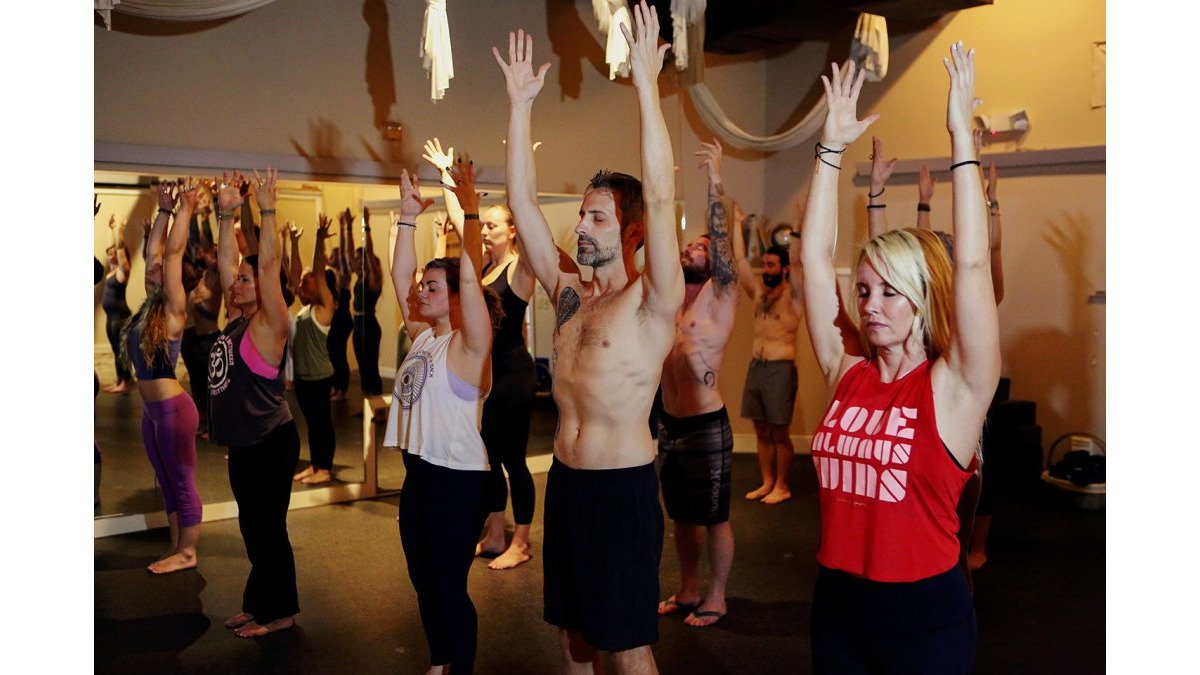
Heated vinyasa yoga combines the continuous, breath-linked movement of vinyasa with a warmed room, and the combination changes the experience more than either element does alone. You are flowing through pose sequences while your body is already warm, which many practitioners describe as moving with less resistance.
The heat raises your core temperature and prompts sweating, and the flow keeps your heart rate elevated between postures rather than letting it drop during long holds. That pairing is why heated vinyasa feels more cardiovascular than a slow heated class and more intense than an unheated flow.
What most guides miss is that the two elements can work against each other. A fast flow in a hot room demands real pacing discipline, and good instructors build in brief recovery moments. If a heated vinyasa class feels like a sprint with no rest, that is a sequencing problem, not a personal failing.
Heated Yoga Benefits: What the Heat Actually Changes
Heated yoga benefits are real, but they are narrower than the marketing suggests. The honest way to read them is to separate what the heat does from what the movement does, because most of the fitness you get from a flow class comes from the sequence, not the thermostat.
What the heat actually changes. Warmer muscles and connective tissue can allow a greater range of motion during class, which is why deeper stretches feel more accessible in a warm room.
What the heat does not change. Heat does not add strength, and it does not meaningfully change how many calories a given sequence burns. Calorie estimates for yoga vary widely by body size, pace, and sequence, and no credible source can tell you that the same flow burns more calories because the room is warmer. Be skeptical of any chart that implies otherwise.
What the movement contributes. The flow itself is where the training effect lives: continuous transitions build muscular endurance, breath-linked pacing trains cardiovascular effort between postures, and repeated pose transitions improve coordination and balance. Those benefits show up in an unheated room too. Heat is a preference and a stressor, not the source of the workout.
The mental side. Many practitioners report that a heated room sharpens focus because the physical demand leaves less room for a wandering mind. That is a legitimate reason to choose a heated class, and it is a different reason than 'it burns more calories.' Be clear with yourself about which one you are there for.
The trade-offs. Heat raises heart rate and fluid loss, so a heated class is more demanding on your system than the same sequence in a cool room. It is not automatically a better workout, just a different stress on the body. If you are chasing flexibility, an unheated class with longer holds can do as much for range of motion over time.
Watch Out The most common mistake in a first heated class is treating it like a normal class: arriving under-hydrated, wearing heavy clothing, and pushing through dizziness to avoid looking inexperienced. Sit down or leave the room if you feel lightheaded. Instructors see it every week and nobody thinks less of you.
Pro Tip Ask the studio two questions before you book a heated class: what temperature the room runs at, and whether it is heated for the entire class or warmed beforehand and allowed to cool. That second detail changes how hard the session feels more than the thermostat number does.
Regular Vinyasa Yoga: Pace, Breath, and Flow
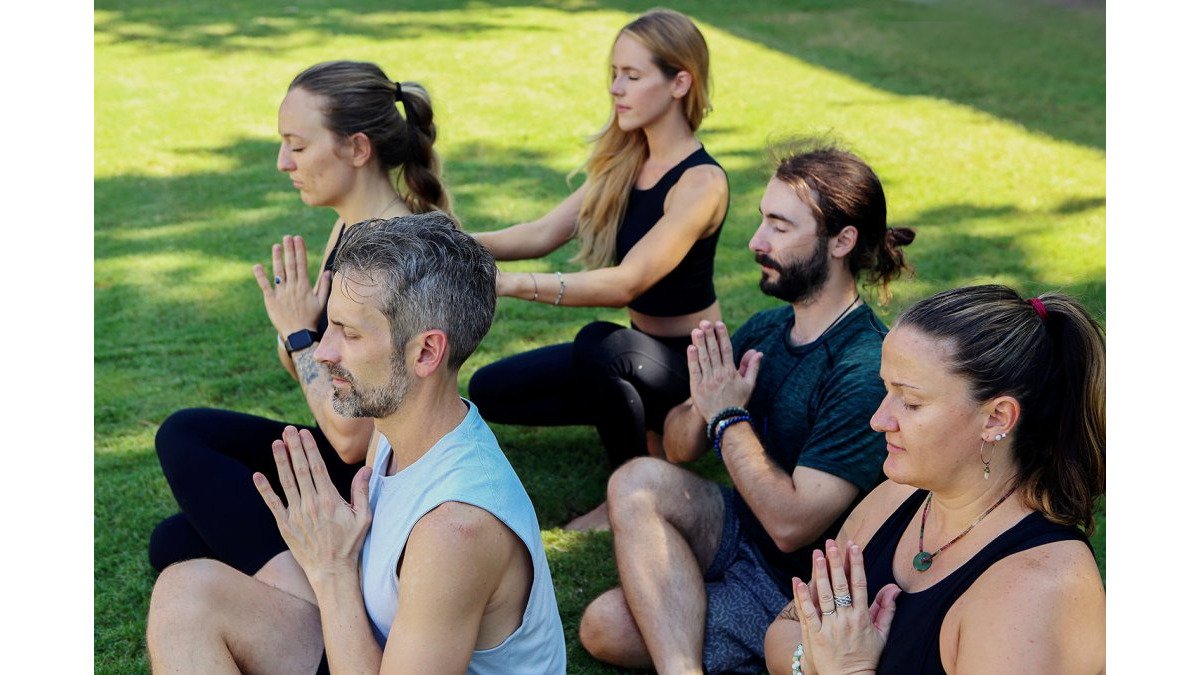
Regular vinyasa yoga runs at room temperature and leans entirely on pacing and breath coordination for its intensity. The teacher cues an inhale to lift and lengthen, an exhale to fold or ground, and the sequence unfolds in a steady rhythm. Because the room is not adding heat, the challenge comes from continuity: you keep moving, and your breath sets the tempo.
Pace varies widely between teachers. Some flows are brisk and athletic; others are slower and more deliberate, with longer holds inside the sequence. Breath control is the through-line. When students lose the breath, the flow falls apart, which is why experienced teachers cue breath before they cue the pose.
For anyone recovering from an injury or managing chronic pain, an unheated vinyasa class offers more room to pause and reset without the added load of heat. That is a real advantage, not a consolation prize.
How Class Conditions Vary by Studio
Class conditions vary more than most people expect, and the label on the schedule rarely tells the whole story. One studio's "hot" class might run near 105 degrees Fahrenheit with high humidity; another's "warm" class might sit closer to 85 with the humidity kept low. Vinyasa classes differ just as much in pace, from gentle flows to vigorous sequences.

Ask three questions before you book anywhere: what temperature does this specific class run at, how humid is the room, and how fast does the teacher typically move? A studio that can answer all three clearly is a studio that thinks about its students. Our own schedule lists each class format, and our Mindbody booking system lets you see exactly what you are signing up for before you commit.
Safety, Hydration, and Who Should Use Caution
Safety in a heated class comes down to hydration, pacing, and knowing when to back off. Drink water before class, bring a bottle, and replace fluids afterward. Arrive early enough to acclimate to the room rather than walking in as the first sequence begins. If you feel dizzy, nauseated, or unusually short of breath, stop and step out. Heat illness is real and it builds quietly.
Some people should check with a physician before trying a heated class: anyone pregnant, anyone with heart conditions, anyone managing a chronic illness, and anyone on medication that affects sweating or blood pressure. This is general information, not medical advice, and a conversation with your doctor is the right call if you are unsure.
If you have an old injury, tell the instructor before class starts. A good teacher will offer modifications for the affected joint throughout the sequence, which is far easier when they know in advance.
Choosing Your First Class: A Beginner's Guide
Choosing a first class is easier when you match the format to your body rather than to the label. Use this checklist to decide:
Can you comfortably exercise in a warm room for 45 to 60 minutes? If not, start unheated.
Do you want to learn poses slowly, or do you want to keep moving? Slow learners do better in a foundational class first.
Have you had a recent injury or ongoing joint pain? Start with an unheated class and tell the instructor.
Are you comfortable sweating heavily and managing your own hydration? If yes, a heated class is fair game.
Does the studio clearly publish class temperatures and formats? If not, call before booking.
A sensible path for most beginners: take one unheated vinyasa or foundational class to learn the basic pose shapes, then try a heated class once you know the vocabulary. At Hot Asana Studio, our classes are built for all levels and newcomers, and our instructors routinely offer modifications so that a bad knee or a stiff shoulder does not sideline you. You can browse formats and reserve a spot through our class schedule, and our intro offer is designed for exactly this kind of low-pressure first step.
The real challenge is not deciding between two labels; it is finding a studio that explains its formats honestly and teaches to the body in front of it. Hot Asana Studio offers heated yoga, Pilates, and sculpt classes for every level, with instructors trained to modify poses for injuries and a holistic approach that includes plant-based nutrition guidance. Our Mindbody scheduling makes booking simple, and our intro offer lets you try a class before committing to a membership. Register now and find the format that fits your body.
Frequently Asked Questions
What is the difference between heated yoga and vinyasa flow?
Heated yoga refers to any yoga class done in a warm room, typically between 80 and 105 degrees Fahrenheit, while vinyasa flow describes a style of movement where poses are linked together in a continuous sequence coordinated with breath. The two are not opposites: heated vinyasa yoga combines both, blending the flowing pace of vinyasa with a heated environment. When comparing heated yoga vs vinyasa flow, focus on whether you want heat, movement style, or both.
Is vinyasa yoga always heated?
No, regular vinyasa yoga is typically practiced in a room at standard temperature, around 70 to 75 degrees Fahrenheit. Some studios offer heated vinyasa yoga as a separate class format, but traditional vinyasa flow classes are unheated. If you are unsure, check the class description or ask the studio before booking. At Hot Asana Studio, class listings note whether the room is heated so you can choose the format that fits your comfort level.
Can vinyasa flow be practiced in a heated room?
Yes, and this is exactly what heated vinyasa yoga is. The flowing sequence of vinyasa, with its continuous movement and breath coordination, can be done in a heated room to add warmth and intensity. Studios that offer heated vinyasa yoga usually keep the room between 85 and 95 degrees Fahrenheit. This format suits people who enjoy the rhythm of vinyasa but want the added challenge and flexibility that heat can provide.
Is heated yoga better than regular yoga for stress relief?
Both heated yoga and regular vinyasa yoga can support stress relief, but they work differently. Heated yoga benefits often include a stronger physical challenge and a sense of accomplishment, which some people find mentally refreshing. Regular vinyasa yoga emphasizes breath control and steady movement, which can be calming for the nervous system. The best choice depends on whether you find heat energizing or draining. Many practitioners alternate between both formats to match their energy levels and goals.
Register Now

Comments