
Mindfulness Meditation Techniques: A Beginner's Guide

Table of Contents
What Mindfulness Meditation Techniques Are and Why They Matter
Mindfulness Meditation for Beginners: Getting Started
Choosing a Quiet Space and Comfortable Seated Posture
Setting Realistic Expectations
Guided Mindfulness Meditation: The Breath Awareness Method
Step-by-Step Breath Awareness Practice
What to Do When Your Mind Wanders
Body Scan Meditation: Building Physical Awareness
How to Perform a Body Scan
Benefits for Relaxation and Pain Awareness
Mindfulness Meditation for Stress: Techniques That Work
Choosing a Technique by Available Time
Measuring Progress Without Overpromising
Common Difficulties and How to Troubleshoot Them
Building a Sustainable Mindfulness Meditation Practice
Frequently Asked Questions
Last Updated: October 13, 2026
What Mindfulness Meditation Techniques Are and Why They Matter
Mindfulness meditation techniques are mental practices that train your attention to focus on the present moment without judgment. They involve observing your thoughts, sensations, and breath with curiosity rather than trying to change them. These techniques can form the foundation of sustainable stress relief and mental clarity.
The beauty of mindfulness meditation techniques lies in their simplicity. You don't need special equipment, a specific location, or years of experience. A beginner can start today with just five minutes of focused breathing. What matters most is consistency and a willingness to observe what arises in your mind without fighting it.
Many people come to mindfulness meditation techniques seeking relief from stress and anxiety. Others want better sleep, clearer thinking, or simply a way to pause during their busy day.
The research on mindfulness meditation techniques shows they can help reduce stress, improve focus, and support overall well-being. But the real transformation happens when you build the practice into your daily routine. That's where the genuine benefits emerge.
Mindfulness Meditation for Beginners: Getting Started
Starting a mindfulness meditation practice doesn't require special knowledge or athletic ability. You need only a quiet space, a comfortable position, and the intention to show up for yourself. Most beginners see the first shifts in their attention and calm within the first week of consistent practice.
Choosing a Quiet Space and Comfortable Seated Posture
Your physical environment shapes your meditation experience. Find a space where interruptions are unlikely, a bedroom corner, a quiet room, or even a spot in nature. The space doesn't need to be perfect; it just needs to feel safe and relatively quiet.

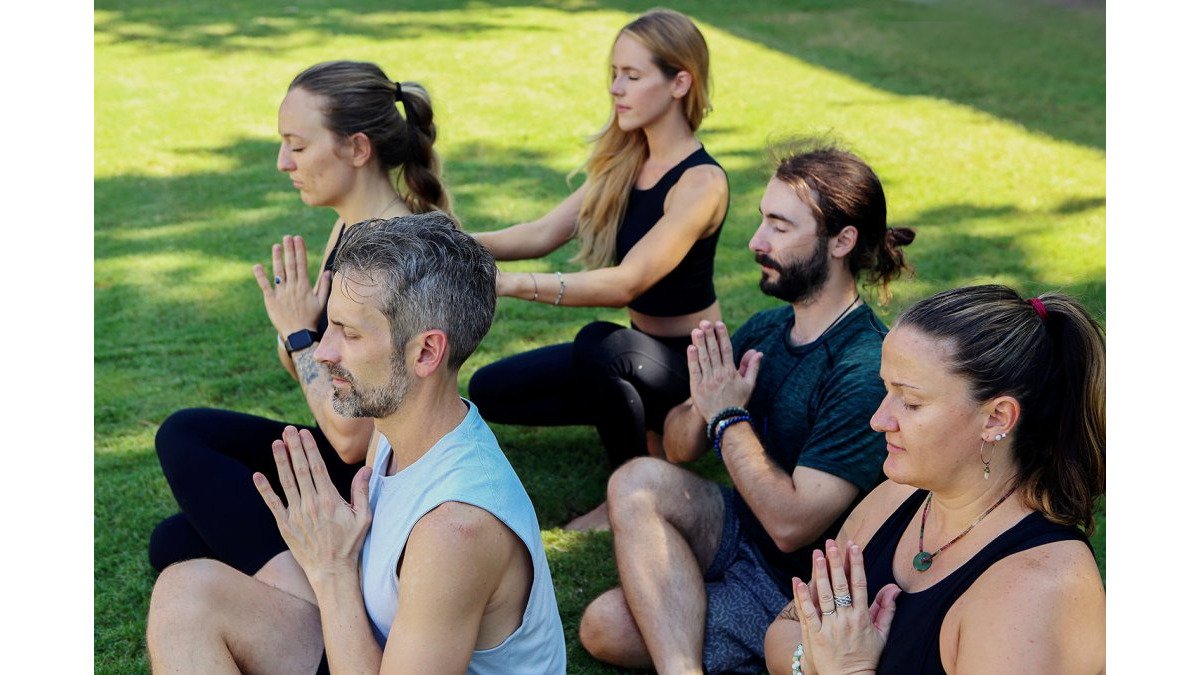
Your seated posture matters more than most beginners realize. Sit with your spine upright but not rigid. You can sit on a chair, cushion, or yoga mat, whatever keeps your back straight and your body relaxed. Your feet can rest flat on the floor or cross in front of you. The key is finding a position you can hold comfortably for 5-20 minutes without physical strain.
Many people ask whether they need special meditation cushions or equipment. The answer is no. A regular pillow or folded blanket works fine. What matters is that your posture supports your breath and keeps you alert without causing discomfort.
Setting Realistic Expectations
New practitioners often expect their minds to go blank during meditation. This expectation sets them up for frustration. Your mind's job is to think. During mindfulness meditation techniques, your job is to notice when your attention has drifted and gently return it to the present moment. That's the entire practice.
Expect your mind to wander. Expect to feel restless sometimes. Expect to have days when meditation feels effortless and days when it feels impossible. All of this is normal. The practice isn't about achieving a perfect mental state, it's about building awareness of what's actually happening, moment to moment.
Most beginners notice subtle shifts within the first few sessions. You might feel slightly calmer, or notice your breath more clearly. Deeper changes in stress resilience and emotional regulation typically emerge over weeks and months of consistent practice.
Guided Mindfulness Meditation: The Breath Awareness Method
The breath awareness method is the most accessible entry point for mindfulness meditation techniques. Your breath is always with you, always available, and always changing. By focusing on your breath, you anchor your attention to the present moment.
Great Meditation
Step-by-Step Breath Awareness Practice
Follow these steps to practice breath awareness meditation:
Sit comfortably with your spine upright and your hands resting on your lap or thighs
Close your eyes or soften your gaze downward
Take three deep breaths to signal to your body that you're shifting into a calmer state
Let your breath return to normal and begin noticing it without trying to control it
Observe the natural rhythm of your inhales and exhales
Notice where you feel your breath, in your nostrils, your chest, or your belly
Continue for 5-10 minutes, simply observing each breath as it comes and goes
The breath awareness method works because it gives your mind something concrete to focus on. Instead of trying to empty your mind, you're simply watching your breath. This creates a natural anchor for your attention.
What to Do When Your Mind Wanders
Your mind will wander. This isn't failure, it's guaranteed. When you notice your attention has drifted to thoughts, worries, or sensations, you've actually succeeded. Noticing the wandering is the practice.
Here's what to do:
Pause without judgment. Don't criticize yourself for losing focus
Gently acknowledge the thought. Say "thinking" silently, or simply notice what pulled your attention
Return your focus to your breath. Bring your awareness back to the physical sensations of breathing
Repeat as many times as needed. You might return your attention dozens of times in a single session, this is normal
The act of returning your attention is where the real training happens. Each time you notice your mind has wandered and bring it back, you're building neural pathways that support focus and calm. The wandering mind isn't a problem to fix, it's an opportunity to practice.
Body Scan Meditation: Building Physical Awareness
Body scan meditation shifts your focus from breath to physical sensation. This technique helps you notice tension, relaxation, and the connection between your mind and body. It's particularly useful if you carry stress in your muscles or struggle with breath-focused attention.
How to Perform a Body Scan
A body scan typically takes 10-20 minutes. Here's how to practice it:
Lie on your back on a yoga mat or carpet with your legs extended and arms at your sides
Close your eyes and take three deep breaths
Bring your attention to your toes. Notice any sensations, warmth, tingling, pressure, or numbness
Slowly move your attention upward through your feet, ankles, and calves
Continue scanning up through your thighs, hips, belly, chest, back, shoulders, arms, and head
Spend 30-60 seconds on each body region, simply observing without trying to change anything
End by taking three deep breaths and slowly opening your eyes
The body scan teaches you to notice physical sensations with curiosity. Many people discover areas of tension they didn't know they were holding. Over time, this awareness helps you release unnecessary tension before it builds up.
Benefits for Relaxation and Pain Awareness
Body scan meditation techniques help your nervous system shift into a relaxation response. As you move your attention through your body, your muscles gradually relax. This creates a cascade of calming effects throughout your physical system.
For people managing chronic pain, body scans offer a different way to relate to discomfort. Instead of fighting pain or tensing around it, you observe it with neutral attention. This often reduces the emotional intensity of pain, even if the physical sensation remains.
Mindfulness Meditation for Stress: Techniques That Work
Stress lives in your body and mind simultaneously. Mindfulness meditation techniques address both by training your attention and activating your parasympathetic nervous system, your body's natural relaxation response. The most effective stress-relief practices match your available time and current stress level.
Choosing a Technique by Available Time
Not every technique requires 20 minutes. Here's how to match mindfulness meditation techniques to your schedule:
Time Available | Best Technique | Duration | When to Use |
2-3 minutes | Breath counting | 2-5 min | Before meetings, during breaks |
5-10 minutes | Breath awareness | 5-10 min | Morning routine, evening wind-down |
10-15 minutes | Body scan | 10-15 min | Before bed, after work |
15-20 minutes | Extended body scan or guided meditation | 15-20 min | Weekend mornings, dedicated practice time |
Consistency matters more than duration. A 3-minute daily practice produces better results than a 30-minute practice you do once a month. Start with whatever time you can realistically commit to, then expand as the habit becomes automatic.
Measuring Progress Without Overpromising
How do you know if mindfulness meditation techniques are working? Progress isn't always obvious. You won't necessarily feel dramatically different after one session. But over weeks and months, subtle shifts accumulate.
Notice these signs of progress:
Faster recovery from stress. You notice you're upset, then you return to calm more quickly
Better sleep quality. You fall asleep more easily or sleep more deeply
Clearer thinking. Your mind feels less cluttered during the day
More patience. Small frustrations bother you less
Greater awareness. You notice your thoughts and reactions before they control you
These changes happen gradually. They're real, but they're not dramatic. The goal of mindfulness meditation techniques isn't to feel blissful or transcendent, it's to be more present, more aware, and more able to respond thoughtfully to life's challenges.
Common Difficulties and How to Troubleshoot Them
Almost every meditator encounters obstacles. Knowing what's normal helps you move past frustration and keep practicing.
"My mind won't stop racing." This is the most common complaint. A racing mind doesn't mean you're bad at meditation. It means you're noticing how active your mind actually is. Keep returning your attention to your breath.
"I fall asleep during meditation." If you're meditating lying down, try sitting up instead. If you're tired, meditate at a different time of day. Falling asleep occasionally is fine, but if it happens consistently, adjust your posture or timing.
"I feel anxious or emotional during practice." Meditation sometimes surfaces emotions you've been pushing down. This is actually progress, you're becoming aware of what's present. If emotions feel overwhelming, shorten your practice or try a different technique.
"I can't focus on my breath." Try focusing on a different anchor, the sounds around you, physical sensations, or a simple word repeated silently. Different techniques work for different people.
"My legs fall asleep." Adjust your posture or use a cushion to elevate your hips. You can also meditate sitting in a chair. Comfort matters.
Building a Sustainable Mindfulness Meditation Practice
The real power of mindfulness meditation techniques emerges when you practice consistently. A sustainable practice doesn't require willpower, it requires building meditation into your routine so it becomes automatic.
Start small. Choose a specific time and place where you'll practice every day. Morning works well for many people because your mind is quieter and fewer interruptions occur.
Track your practice without judgment. Simply noting that you meditated creates accountability.
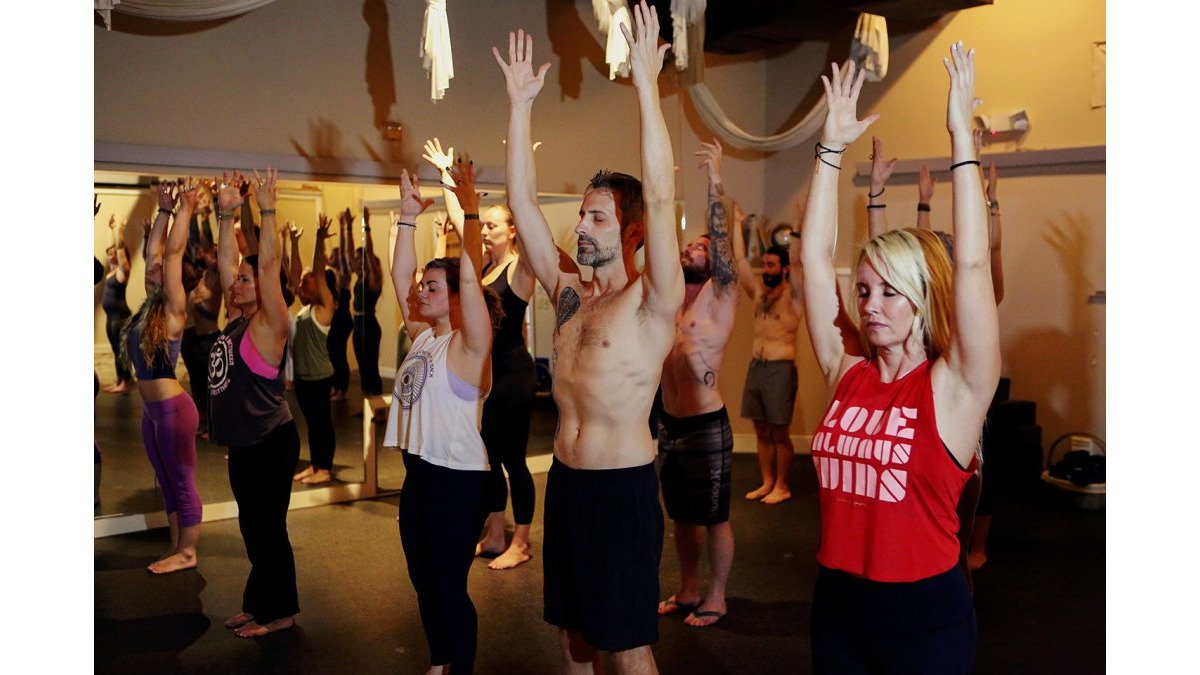
At Hot Asana Studio, we recommend pairing your mindfulness meditation techniques practice with other wellness activities. Many of our students find that heated yoga classes deepen their meditation practice.
Consider finding a community. Practicing alone works, but practicing with others, whether in a class, meditation group, or online community, provides encouragement and accountability.
Remember that consistency trumps intensity. A gentle, regular practice transforms your nervous system far more effectively than occasional intensive sessions. Your brain needs repeated activation of calm states to rewire your default stress response.
Building a mindfulness meditation practice is one of the most practical investments in your well-being you can make.
Frequently Asked Questions
How do you practice mindfulness meditation as a beginner?
Start by finding a quiet space and sitting comfortably with your spine upright. Close your eyes and focus on your breath, notice the sensation of air moving in and out. When your mind wanders, gently return your attention to your breathing without judgment. Begin with 5-10 minutes daily. Consistency matters more than duration. Many beginners benefit from guided mindfulness meditation recordings to stay focused initially.
Can mindfulness meditation help with stress?
Yes. Mindfulness meditation for stress works by activating your parasympathetic nervous system, which reduces the physical stress response. Regular practice helps you observe anxious thoughts without reacting to them, creating distance from worry. Research shows that even 10-15 minutes daily can lower cortisol levels and improve overall well-being. The key is consistency over intensity.
What should you focus on during mindfulness meditation?
Most beginner techniques focus on the breath, the physical sensations of breathing. Other anchor points include body sensations (used in body scan meditation), sounds, or a mantra. The object of focus matters less than your ability to notice when attention wanders and gently return to it. This noticing and returning is the core practice.
How long should you meditate for mindfulness?
Beginners should start with 5-10 minutes daily. As your practice deepens, gradually extend to 15-20 minutes. The duration depends on your goal and available time. Even 5 minutes of consistent practice is more effective than sporadic 30-minute sessions. Quality of attention matters far more than clock time. Choose a duration you can sustain regularly.
Register Now

Comments